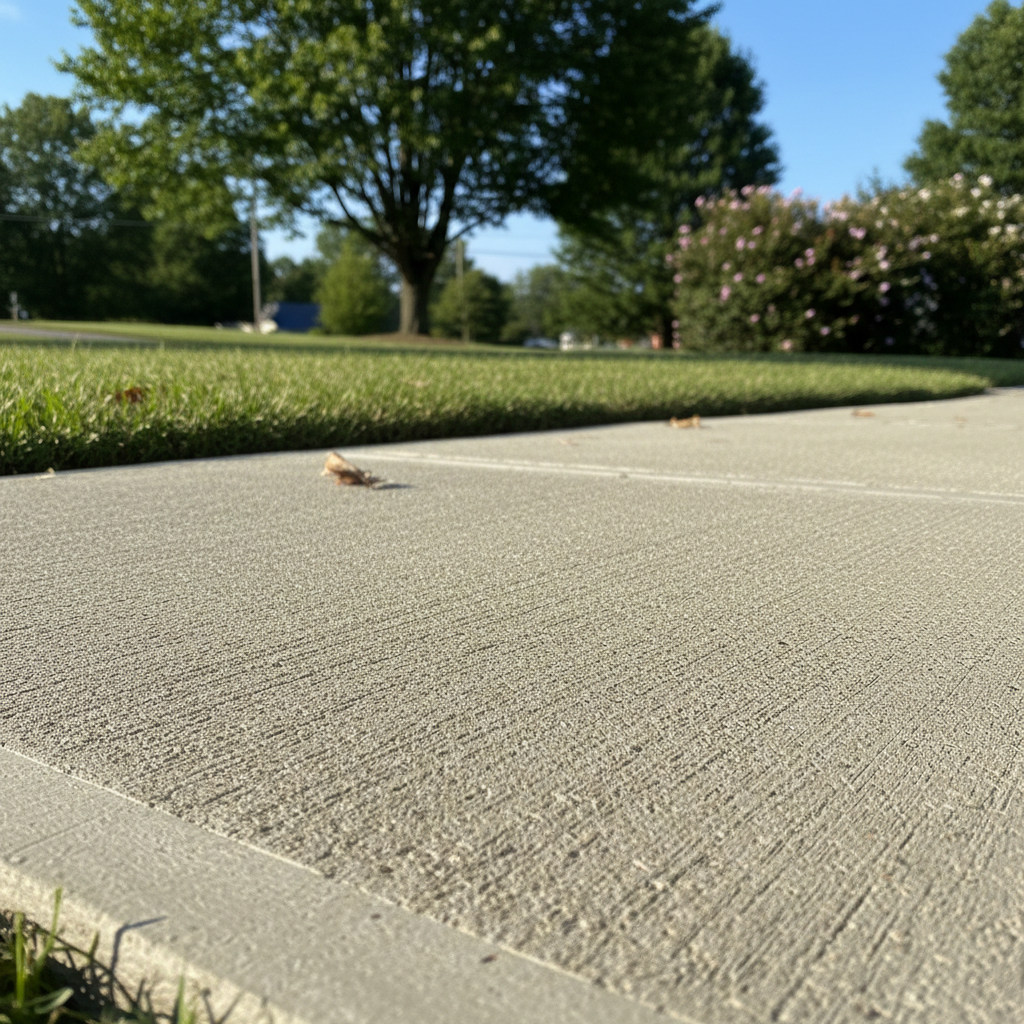
Alright, let us talk about Concrete Sidewalks. You might have a path that has seen better days. Or maybe you are thinking about adding a new one to spruce up your yard. This is a common project for homeowners here in Kingsport. It is easy to wonder if it is something you can just knock out on a weekend.
As someone who has been pouring concrete in this area for years with Kingsport Concrete LLC Of Bloomingdale RD, I have seen it all. I have seen the good, as well as the bad, as well as the downright dangerous DIY attempts. So, we will break down what you really need to know before, during, and after a Concrete Sidewalk project. This will also help you know when it is smart to pick up the phone instead of a shovel.
Before You Start: Planning & Permits
First things first, you cannot just start digging for your Concrete Sidewalk project. Especially if your Concrete Sidewalk is going to be anywhere near a public right-of-way, like along the street in front of your house in Colonial Heights, you are likely going to need a permit from the City of Kingsport. This is not just red tape. It is about making sure things are built safely and to code. For new construction or anything near public sidewalks, a permit is usually required. If you are just doing minor repairs, you might be in the clear. However, it is always best to check with the city's Building and Codes Department.
Another big thing to consider for your Concrete Sidewalk is drainage as well as the ground itself. Here in Kingsport, we have a lot of clay and loam in our soil. This means proper preparation of the sub-base is important to prevent settlement and cracking down the line. You have to make sure water will run off the Concrete Sidewalk. It should not pool on it or under it. Professionals will assess your property's terrain as well as drainage to create a detailed plan for your Concrete Sidewalk.
For DIYers, this initial planning phase is where a lot of Concrete Sidewalk projects go sideways. Without understanding the local soil conditions, the right thickness (usually 4 inches for Concrete Sidewalks), or how to properly grade for drainage, you could end up with a Concrete Sidewalk that cracks, sinks, or becomes a tripping hazard faster than you can say