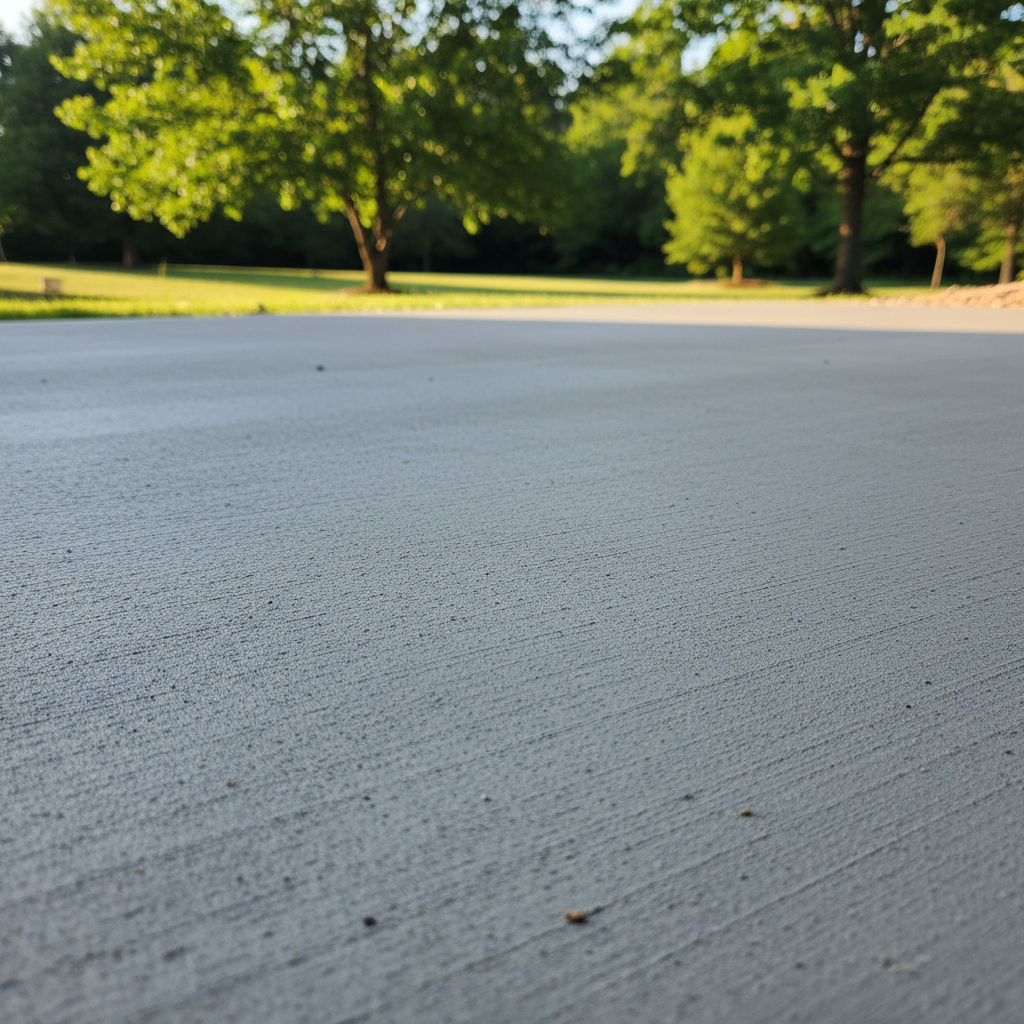
Alright, let's talk concrete patios. I get a lot of the same questions from folks around Kingsport, whether they're in Colonial Heights or over by Stone Drive. It makes sense; a patio is a big investment, and you want to get it right. So, I figured I'd put together some straight answers to the most common things I hear. No fluff, just the facts from someone who pours concrete every day.
How much does a concrete patio cost in Kingsport?
This is always the first question, and it's a tough one to give a single number for because it depends on a few things. Generally, you're looking at anywhere from $5 to $15 per square foot for a basic, broom-finish concrete patio. Now, why such a big range? Well, if you want something fancy, like stamped concrete that looks like stone or brick, or if you're adding color, that's going to push the price up. A complex design with curves, multiple levels, or steps will also cost more than a simple rectangle. Access to the site matters too; if we have to wheelbarrow concrete a long way because a truck can't get close, that adds labor. And don't forget the prep work. If we have to tear out an old deck or patio, or if your yard needs a lot of grading to get a good base, that's extra. What I tell people is, think about your budget, then think about what you want it to look like. We can usually find a good middle ground.
How long does a concrete patio last in our Kingsport climate?
A properly installed concrete patio should last a good 20 to 30 years, easy. Some last even longer. The key here is 'properly installed.' That means good site prep, the right mix of concrete, and proper curing. Our weather here in Kingsport, with the freezing and thawing cycles in winter, can be tough on concrete if it's not done right. We make sure the concrete has the right air-entrainment to handle those freeze-thaw cycles, which helps prevent spalling and cracking. Good drainage is also critical. You don't want water pooling on your patio, especially when it freezes. If it's done right, you'll get decades of use out of it.
What's the deal with cracks? Will my new patio crack?
Look, concrete cracks. It's just what it does. Anyone who tells you their concrete patio will never crack isn't telling you the whole truth. Concrete shrinks as it dries and cures, and that shrinkage creates stress. The goal isn't to prevent all cracks, but to control where they happen. That's what control joints are for. We saw or tool lines into the concrete at specific intervals, which are essentially weak points where we want the concrete to crack. If it cracks, it'll crack in those lines, making it less noticeable and keeping the slab stable. Most hairline cracks you see are totally normal and don't affect the structural integrity of your patio. If you see wide, uneven cracks, that's a different story, and usually points to a problem with the base or installation.
Can I put a concrete patio over an old asphalt or paver patio?
Short answer: No, not really. You always want to pour concrete on a stable, properly prepared sub-base. Trying to pour over old asphalt or pavers is just asking for trouble. Those materials aren't stable enough to support a new concrete slab long-term. They'll shift, settle, and degrade, and that movement will transfer right up to your new concrete, leading to serious cracking and failure. You're much better off removing the old material, getting the ground properly graded and compacted, and then pouring your new concrete. It's more work upfront, but it saves you a huge headache and expense down the road.
What kind of maintenance does a concrete patio need?
Concrete patios are pretty low maintenance, which is one of their big selling points. The main thing you'll want to do is keep it clean. A good sweep to get rid of leaves and dirt, and then a wash with a hose and maybe some mild detergent for tougher spots, will keep it looking good. For things like mildew or stubborn stains, a pressure washer can work wonders, but be careful not to use too high a pressure, especially on stamped or colored concrete, as it can damage the surface or sealant. I also recommend sealing your patio every few years, especially if it's stamped or colored. Sealing helps protect it from stains, water penetration, and UV damage, making it last longer and look better. It's a simple job you can do yourself or have us do for you.
How long until I can use my new concrete patio?
Patience is key here. You can usually walk on your new concrete patio after about 24 to 48 hours, but it's still pretty delicate. I tell folks to wait at least 7 days before putting heavy furniture on it, and ideally, wait 28 days for it to reach its full strength. That's when the concrete has completed most of its curing process. You don't want to drive a vehicle on it, or put really heavy loads on it, until it's fully cured. Rushing it can lead to surface damage or even structural issues down the line. We'll give you specific instructions once we're done, but generally, give it a week for light use, and a month for everything else.
Hopefully, this clears up some of the common questions you've got about concrete patios. If you're in the Kingsport area and thinking about adding one to your home, give us a call at Kingsport Concrete LLC Of Bloomingdale RD. We'd be happy to come out, take a look at your project, and give you an honest estimate.