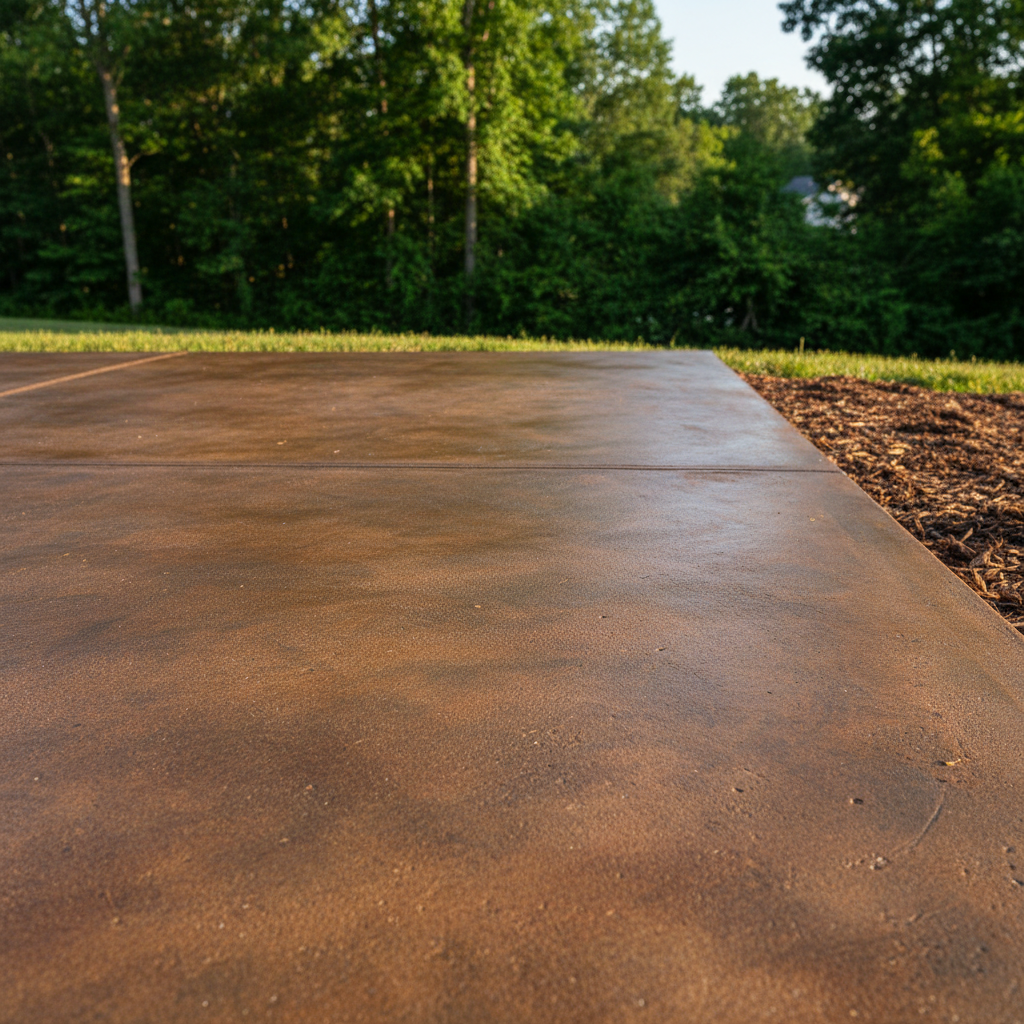
Thinking About Staining Your Concrete?
So, you're eyeing that plain gray concrete slab and thinking it could use a little something extra, huh? Concrete staining is a fantastic way to turn a dull surface into something truly special, whether it's an outdoor patio, a basement floor, or even a garage. It's not paint, and that's a key distinction. Stains actually soak into the concrete, creating translucent, shifting colors that look natural and won't peel or chip like paint often does. But before you grab a bucket and a brush, let's talk about what you're really getting into.
First off, you've got to understand your concrete. Is it brand new? Really old? Does it already have coatings on it? These things make a huge difference, believe me. If you've got a fresh slab, you're in a much better spot than if you're trying to stain concrete that's been painted three times and has oil stains from a leaky car. The condition of your concrete is probably the biggest factor in deciding if this is a DIY job or if you should call someone like Kingsport Concrete LLC Of Bloomingdale RD.
Before You Even Think About Staining
Preparation, preparation, preparation. I really can't say this enough. This is where most DIY staining projects go wrong. You just can't slap stain on dirty concrete and expect it to look good. Here's your checklist:
- Clean it like you've never cleaned before: This means getting rid of all dirt, grime, grease, oil, paint, sealers, and anything else that isn't bare concrete. For outdoor areas, a good pressure washer is a must. Indoor floors might need a degreaser and a floor scrubber. Any leftover residue will stop the stain from soaking in, leaving you with splotchy, uneven results.
- Check for existing sealers: If your concrete already has a sealer on it, the stain won't penetrate. You'll have to strip that off. This usually involves chemicals and can be pretty tough work, not to mention messy.
- Fix any cracks or damage: Stains highlight imperfections, they don't hide them. Fill cracks and repair any spalling before you stain. Just remember, the repair patches might take the stain differently than the original concrete, so test it first.
- Test, test, test: Grab a small sample of your stain and try it out on a hidden spot, maybe behind a bush or in a corner of the garage. This step is super important because concrete is like a sponge – every slab absorbs stain differently. What looks amazing on the sample board might look totally different on your actual concrete.
- Understand the types of stains: You've got acid-based (reactive) stains and water-based (non-reactive) stains. Acid stains react with minerals in the concrete, creating unique, varied looks. Water-based stains are more like a translucent paint, giving you more consistent color but still letting some of the concrete's natural character show through. Acid stains are trickier to work with because the color is less predictable, you know?
The Staining Process: DIY or Pro?
Okay, you've prepped everything. Now for the fun part, right? Well, it can be. Applying the stain evenly is key. For acid stains, you're usually using a sprayer, and you need to apply it consistently without creating puddles. For water-based stains, you might use a sprayer, brush, or roller, depending on the look you're aiming for.
Here's the deal: If you're tackling a small, simple patio or a laundry room floor, and you've done all the prep work perfectly, you might be able to DIY a water-based stain. It's much more forgiving. But even then, you need to work in small sections, keep a wet edge, and avoid putting on too much.
When should you call a pro? Honestly, for most larger projects, anything with intricate patterns, or if you're set on an acid stain, you should seriously think about it. Acid staining is an art form. It takes experience to get that rich, mottled look without it turning into a splotchy mess. Plus, acid stains need neutralizing afterward, which is another step that has to be done just right. If you've got a big, exposed patio that's the centerpiece of your backyard, or an interior floor that's going to see a lot of foot traffic, you really want it done right the first time. We've seen plenty of DIY attempts right here in Kingsport where folks tried to save a buck and ended up with a surface they hated, costing them more to fix later.
After the Stain: Sealing is Non-Negotiable
Once your stain is dry and, if it's an acid stain, neutralized, you're not finished. You absolutely, positively need to seal it. The sealer protects the stain from wear, UV rays, and moisture, and it really makes the color pop. For outdoor areas, you'll want a good quality, UV-resistant acrylic sealer. For indoor floors, especially high-traffic ones, you might consider an epoxy or urethane sealer for maximum durability. Apply thin, even coats, letting each coat dry completely before the next. Don't go too thick, or it'll peel.
Maintenance is pretty simple after that. Just keep it clean with a mild detergent and water. Reapply sealer every few years, especially for outdoor surfaces that get hit with our Kingsport sun and winter weather. That red clay we have around here can be tough on concrete, so a good sealer helps a lot.
Look, concrete staining can be a really rewarding project. Just be honest with yourself about your skills and the size of the job. If you're unsure, or if the project is big and important, don't hesitate to get a quote from a local pro. It's often worth the investment for a beautiful, long-lasting finish.